The contractors you choose can make or break your construction project. A bad contractor may compromise on the quality of materials or installation methods, resulting in longstanding issues or annoyances for the homeowner. Other contractors may leave a bad taste in your mouth by not treating you with the respect and consideration that you deserve. At Straight Line Construction, we’ve seen too many clients burned by bad construction contractors. Here’s what to watch out for when evaluating contractors to work on your home.
1. Communication Issues
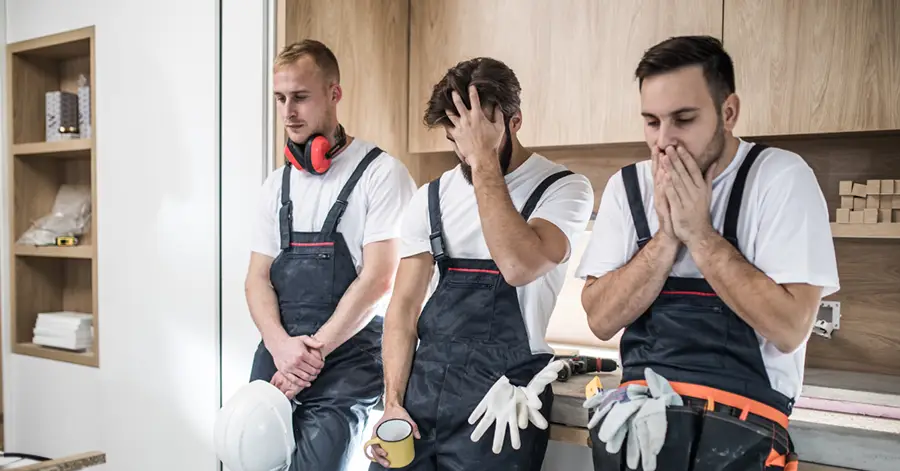
Any trouble reaching your contractor during the initial stages of getting a quote or talking through a project is a significant red flag. When a contractor is trying to win your business, they’re showing you their best behavior. Missing your calls without following up or not being clear are indications that clear communication isn’t their priority. When you hire someone to work on your home, pay close attention to how timely and clear their communications with you are to prevent misunderstandings and frustrations.
According to the National Center for Construction Education and Research, here are four key elements to improve communication with contractors:
- Plan ahead: Clients benefit by setting expectations upfront, scheduling check-ins, and defining communication channels to avoid misunderstandings or project delays.
- Embrace technology: Using apps or shared platforms helps clients track progress, share approvals, and document changes, keeping the project transparent.
- Be collaborative: Treating contractors as partners fosters a positive working relationship and encourages contractors to share expertise or raise concerns proactively.
- Prioritize clarity: Clear instructions prevent mistakes, rework, and potential safety issues, ensuring the project meets expectations and stays on schedule.
2. Lack of Professionalism
A great contractor presents themselves professionally to their clients from start to finish. Keep an eye on your construction contractor’s punctuality, attire, and manner of speaking with you. If you ever feel uncomfortable, pressured, or confused about the next steps, a lack of professionalism may be to blame. How a construction contractor handles interactions with clients is an extension of how they approach their jobs. A contractor that acts unprofessionally might bring similar workers into your home or may not enforce quality standards in their work.
Equally important is digital responsibility. A 2023 survey by Dodge Construction Network noted that as many as 59% of architecture, engineering or construction firms have experienced a cybersecurity threat in the past few years, including 70% of general contractors.
Many homeowners now share designs, floor plans, and smart home integration details electronically. Contractors who don’t safeguard these files, use unsecured email, or lack basic cybersecurity practices can put your personal information and project data at risk. When vetting contractors, ask about how they store and share digital files.
3. Lack of Credibility
There are many signs that indicate that a construction contractor is knowledgeable, experienced, and fit to handle your project. Check into their reviews on sites like Google, Yelp or the Better Business Bureau. Start by checking their licenses and insurance with your state, and confirm coverage directly with the insurance provider. Review their past work through photos, videos, social media, and client references to gauge experience and quality. Use trusted resources like the BBB Directory to verify ethical standards, read verified customer reviews, and check for any complaints. Finally, gather multiple quotes and get all estimates and agreements in writing to ensure clarity on scope, costs, timelines, and warranties.
If they’ve been in business for years but don’t have many projects worth showing off, you might want to continue your search. Additionally, a seasoned construction contractor should be confident and well-spoken about even the most complicated topics. Make sure your contractor can explain everything you need to know in an easy-to-digest way. Doing this due diligence helps protect your investment and ensures you hire a contractor who is professional, skilled, and trustworthy.
4. Reluctance to Provide Proof of Permits, Licenses, and Insurance
It’s incredibly important to ask your contractor for proof of the proper permits, licenses, and insurance. As a homeowner, you’ll be held responsible for any fines caused by missing permits, and a lack of insurance puts you at risk of paying workers’ medical bills. Licenses confirm that your contractor is equipped to do business and are essential to track down a contractor in the case of a dispute. Insurance and license information should be provided before any construction work begins. Make sure to keep copies of this information, note their license numbers, and have contact information for their insurance company. Permits will come a little later in the process. Your contractor should be transparent about what permits they’re pulling and give you the relevant documentation.
5. Their Promises Seem Too Good To Be True
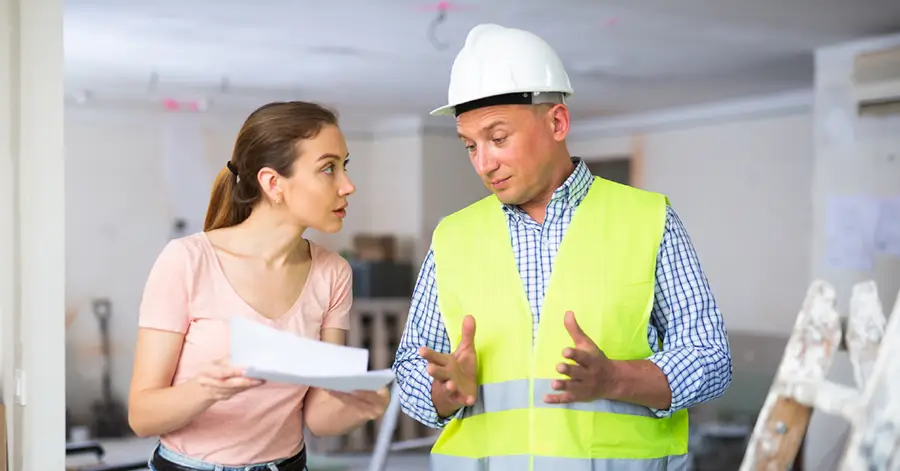
When comparing quotes from construction contractors, you should see an average budget and timeline emerge based on the scope of your project. If you have any outliers – especially on the cheaper or faster side – be careful. Promises and quotes that seem too good to be true might indicate that the contractor is overpromising or lacks the experience to give you an accurate estimate. Keep in mind that there’s a tradeoff between quality and budget/timeline.
In 2026, a contractor’s skillset goes beyond traditional construction know-how. Homeowners increasingly expect their contractors to be comfortable working with sustainable materials, energy-efficient upgrades, smart home systems and contemporary finishes. If a contractor resists these modern techniques or materials, it could limit your design options, reduce long-term value, or lead to costly workarounds.
6. They Ask For Payment Upfront or In Cash
Experienced contractors should be able to advise you on common methods for paying for a home renovation or other construction service. Given the high price tags, asking for full payment upfront or in cash is another red flag. Instead, you should be looking to sign (and keep a copy of) a payment agreement which may include an initial payment before work begins.
7. You Feel Uneasy or Unsure
Before proceeding with your construction project, you should have confidence in your contractor’s professionalism and ability. If you have a gut feeling or sense of unease about a contractor, it’s best to avoid them. Feelings like this are often easy to ignore, but they’re usually based on what you’ve noticed subconsciously. It might be the contractor’s interpersonal skills, not being able to find much about them online, or noticing that they changed their name recently. If your contractor is anything less than a pleasure to work with, keep looking until you find an appropriate match.
Looking For A Renovation Contractor?
At Straight Line Construction, we pride ourselves on being a straightforward, customer-first construction concierge. That means we take care of every part of your home renovation from start to finish, always keeping you as involved as you’d like to be! Check out our gallery of previous home remodel projects or reviews from our clients to see what we can do for you. Give us a call or text, leave us a message to get your free renovation consultation or visit our Ocala showroom today!